Our Target Country Nicaragua
This is where the idea for Buy Food with Plastic was born in July 2018. Since then, we have held a total of 25 Buy Food with Plastic events in rural areas, built an upcycling workshop where none had existed before, and converted old plastic bottles into new products.
The country lies on the Central American land bridge and borders Honduras to the north and Costa Rica to the south. The Pacific Ocean lies to the west and the Caribbean Sea to the east. The somewhat rougher Pacific is excellent for surfing, but the Caribbean side is not quite what you would imagine a Caribbean dream to be. The coastal area is very sparsely populated and difficult to access. Over 5.9 million people live in an area of 129,494 km², most of them in the Pacific region and the area around the capital, Managua.

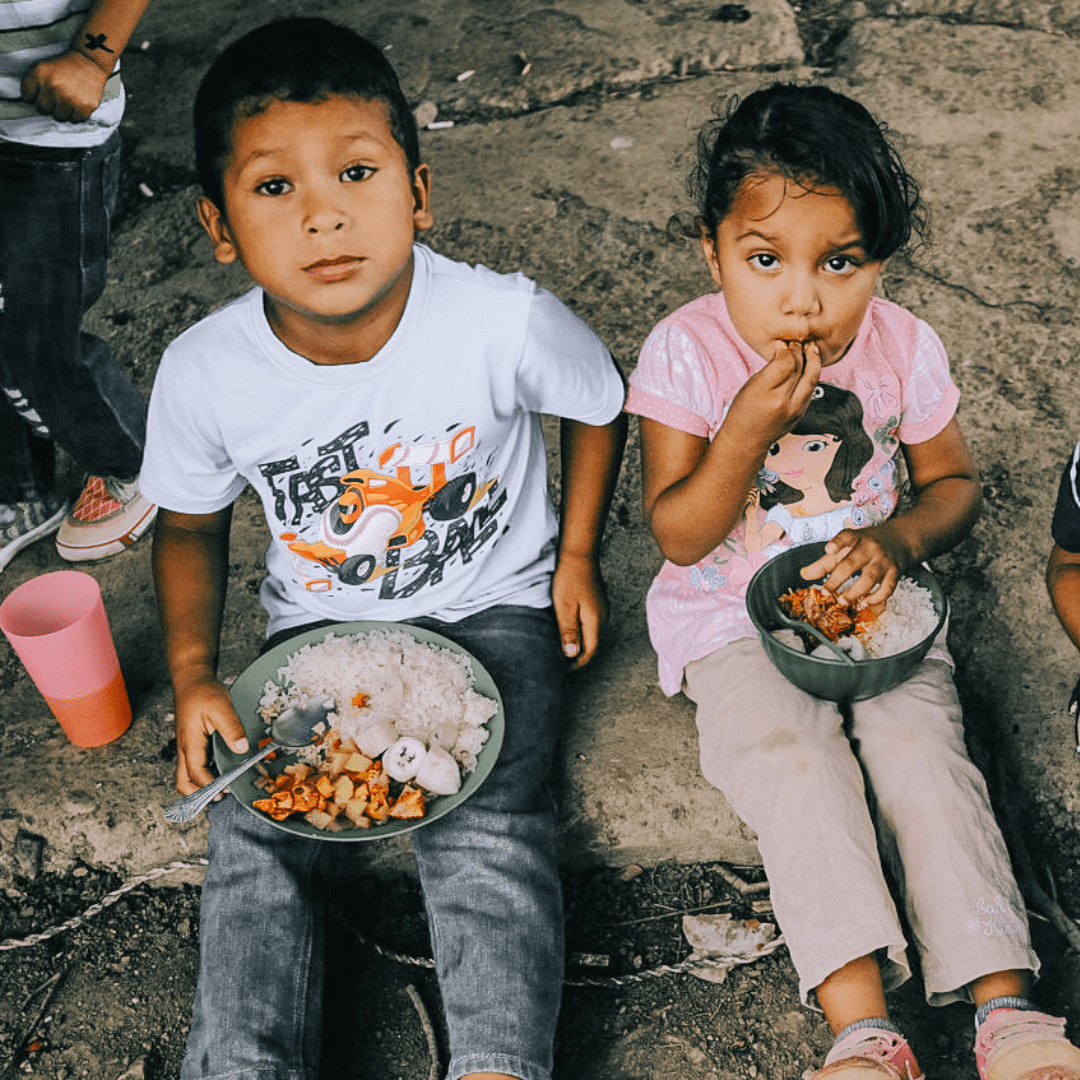
Nicaragua is also called the “Land of a Thousand Volcanoes” because a chain of active volcanoes stretches parallel to the Pacific coast. It is the largest and most sparsely populated country in Central America. The relatively poor but very open-hearted population struggles daily for survival. There is high unemployment, and there is no functioning waste management system. Buy Food with Plastic was created in response to the ecological and political situation we encountered in the summer of 2018. Huge amounts of plastic were strewn along the coast. Furthermore, the political crisis escalated, bringing serious consequences for the local population. Tourism disappeared, and many hotels and restaurants were forced to close. Local residents lost their jobs, and families struggled to feed their children. We decided not to stand by and watch and took action. Since July 2018, together with the local team on site, we have already been able to hold 25 awareness-raising events in Nicaragua, where the local population can pay for a hot meal with ten plastic bottles. In 2019, we used the collected plastic bottles to build a house, with the plastic bottles serving as building blocks. Marbillez, a single mother, has lived there with her four children for three years.


During the pandemic (2020-2021), we created a concept that minimized the risk of infection and even provided significantly more help than our awareness-raising events. Instead of hot meals, we brought basic food supplies to families' homes, which lasted about two weeks for a family of five. The local population paid with 15 plastic bottles. Because of the crisis, we focused more on food provision than on collecting plastic bottles during this time, as the former was more urgent. Here is an explanatory video of one such home delivery.
Since the COVID-19 situation on site has eased, we can once again hold monthly awareness-raising events in our three target communities. The focus remains on raising awareness and the community concept: Needy people from isolated regions can pay for a hot meal with ten plastic bottles and are sensitized to the plastic problem through workshops. Since January 2022, our local team has been processing the collected plastic in our own plastic workshop into plastic flakes and further into new products. Our first product is a surfboard comb, which is used by the local and international surfing community. Check out our first product in the online shop here. And this is just the beginning of our journey – the possibilities for products made from old plastic are endless. By selling the products, we are already able to cover part of the operating costs ourselves.
One of the many milestones we achieved this year is that the village of El Higueral in Rivas, Nicaragua, was able to be completely freed from plastic bottles. The villagers no longer find plastic bottles on the streets and keep the ones they consume themselves for our events. Our awareness-raising events are intended to continue being held in our three target communities through the end of 2022 and beyond. In doing so, we always strive to distribute even more meals, create additional jobs, and rescue more plastic bottles from the environment. In the long term, the workshop is intended to be able to finance itself and no longer depend on donations. In this way, we want to close the economic cycle in the future and achieve a sustainable impact for people and nature...


Leave a comment: