#BeatPlasticPollution: Combating plastic waste and creating sustainable solutions
The theme of this year's World Environment Day on June 5, 2023 is #BeatPlasticPollution. It is the perfect opportunity to remind ourselves once again that we can make a difference together. Every small step in the right direction counts. If we all become more aware of how we handle plastic waste and rethink our habits, we can achieve positive change. By choosing reusable alternatives, recycling plastic bottles, or supporting local initiatives, we can preserve our planet for future generations.
Over One Million Tonnes of Plastic Waste – Low Recycling Rate
The world is being inundated with plastic. According to estimates by the UNEP (United Nations Environment Programme) , more than 400 million tonnes of plastic are produced annually, half of which is intended for single use only. The Organisation for Economic Co-operation and Development (OECD) estimates even higher, at 460 million tonnes. The future outlook is not promising. In its report «Global Plastics Outlook: Policy Scenarios to 2060», the OECD estimates that global plastic consumption could triple to 1,231 million tonnes per year by 2060 if no concrete and effective countermeasures are taken. And it highlights another shocking fact: Almost 90 percent of all plastic produced worldwide comes from fossil sources. The upcycling and recycling rate is therefore very low:

Most plastic is used for packaging. And only just over 8% comes from recycled plastic.
Source: Swissquote Magazine May 2023.
Effectively Tackling Plastic Waste with Simple Measures
These facts, however, are no reason for doom and gloom. Julien Boucher, co-director of the research and advisory centre EA – Environmental Action, is actually optimistic: «Our study shows that plastic pollution could be reduced by 80 percent by 2040 in the best-case scenario if strong measures are taken», such as government regulations, a major expansion of recycling infrastructure, and, in the most radical case, the complete replacement of plastic with another, more environmentally friendly plastic. But until that time, we can continuously take and implement small measures that have an immediate effect.
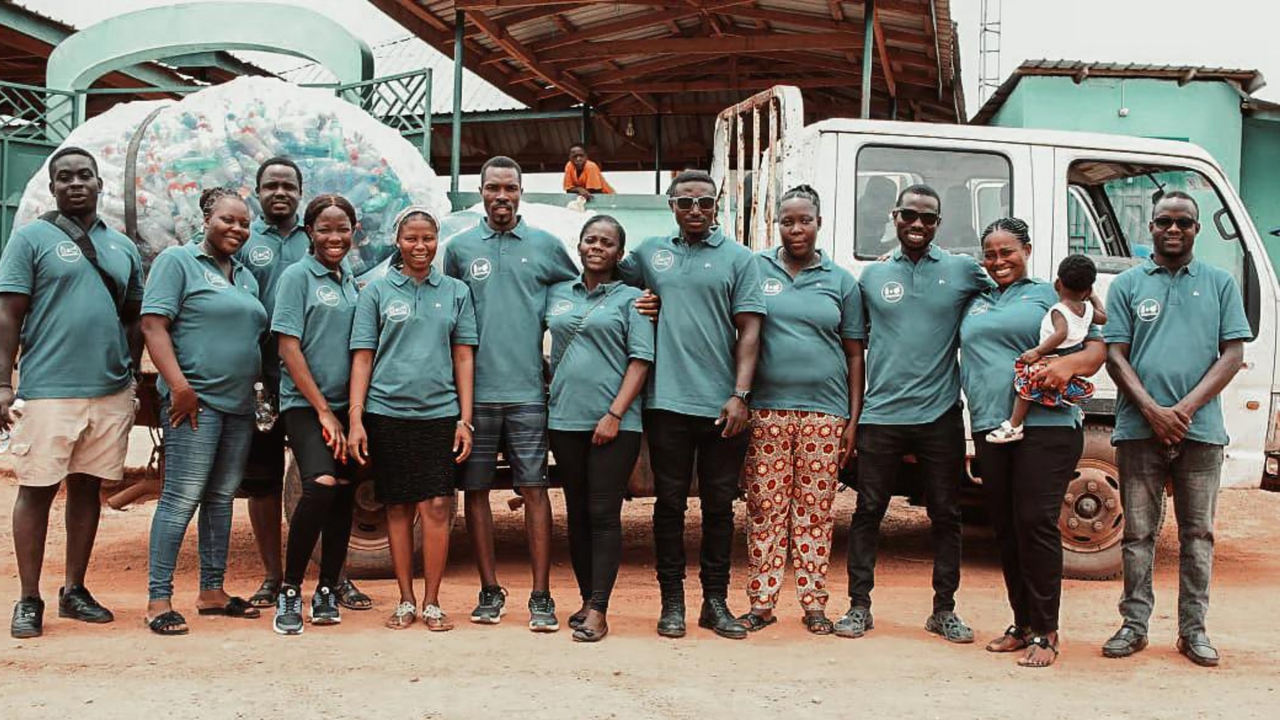
For example, our concept is based on a simple but effective win-win situation. In our areas of operation in Nicaragua, Ghana, and India, we offer people a meal in exchange for 20 plastic bottles. The collected plastic is then upcycled and recycled to create a circular economy for plastic. This means that the collected plastic is converted into new, useful products, which in turn can be recycled. This way, the base material of plastic is reused again and again, and the waste pile is reduced.
In Nicaragua, we have already taken a major step towards our goals. From the collected bottle caps and rings, we make surf combs. These innovative products are not only practical but can also be recycled again. This creates a closed loop that effectively reduces plastic waste. In Ghana, we will soon be making a picnic blanket. The base is made from the collected plastic bags, known as sachets. For the top, we use recycled textiles. And in India, we will also soon be making recycled products.

In Nicaragua, Buy Food with Plastic produces surf combs from recycled plastic, which in turn can be recycled.
There Is No Single Solution – Many Measures Contribute to the Solution
It is important to emphasize that we do not have the sole solution to the plastic waste problem. There are many different approaches and ideas to reduce plastic waste. Our concept, however, stands out for its simplicity and ease of implementation. Everyone can get involved by collecting plastic bottles and thus actively contributing to the solution.
It is up to us to work together to do something about plastic waste. We can do our part and help shape a sustainable future. One way to start is by avoiding plastic packaging. We can also replace single-use products with reusable ones or choose sustainable alternatives when shopping. We can also make a conscious effort to buy regional products. This not only helps the environment but also supports the local economy. We can also reduce plastic waste at home by choosing sustainable products and packaging. There are many simple ways to do our part for a sustainable future. If we all work together, we can make a difference and create a world without plastic waste.
We must realise that we are unique and that we can all do our part to create a more sustainable future. If we all come together, we can form a strong community that advocates for a sustainable environment. We can support each other and ensure that our environment becomes cleaner and healthier. So let us act together and do our part for a sustainable future, because only if we all work together can we make a difference. So let us get started!
Would you like to join us in working towards a world where no more plastic ends up in nature? Then become a member of Buy Food with Plastic now.
Together we can make a positive difference!
|
About World Environment Day - World Environment Day
|
Leave a comment: